Before You Spin, Read the Fine Print: A 5-Minute Paytable Crash Course
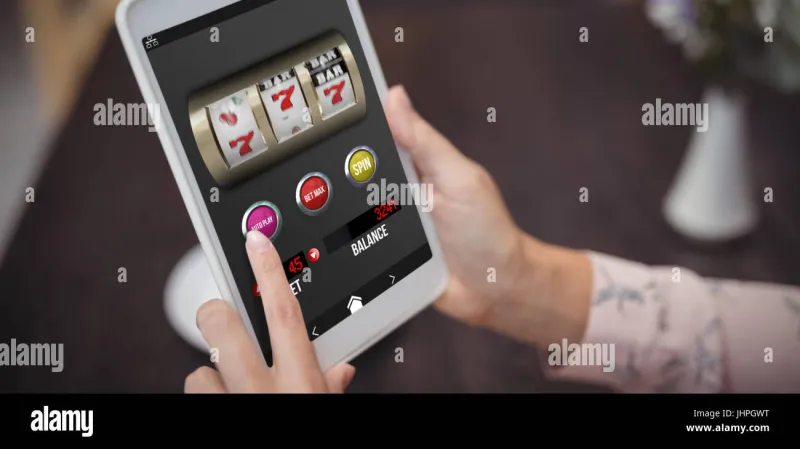
Photo: slot machine paytable screen close up mobile game, via c8.alamy.com
Nobody reads the terms of service. We all click "I agree" and move on with our lives. And honestly? That's fine when the stakes are a slightly worse streaming experience.
But when you're about to put real money into a slot machine — even if it's just a few bucks for a quick session — the paytable is the closest thing you'll get to a contract. It tells you what you're agreeing to: how often you'll get paid, how big those payouts can get, and what the house edge actually looks like.
The good news: unlike a car lease, this contract takes about five minutes to read. Here's how to do it.
Step One: Find the Info Screen (It's Usually Hiding)
Every reputable online slot has an information button — usually a lowercase "i," a question mark, or a hamburger menu tucked into the corner of the game screen. Some developers bury it behind a settings gear, which feels intentionally annoying, but it's always there.
Inside you'll typically find three documents' worth of material: the paytable itself, the game rules, and the RTP disclosure. Think of these as the contract, the addendums, and the disclosure statement. You don't need to memorize all of it — you just need to know where to look.
Step Two: RTP — The Number That Sets Your Expectations
Return to Player, or RTP, is the percentage of all wagered money a slot is programmed to pay back over the long run. A slot with 96% RTP will, across millions of spins, return $96 of every $100 wagered. That missing 4%? That's the house edge, the cost of admission.
Here's the part people get wrong: RTP is a long-run average, not a session guarantee. You can win big in ten minutes on a 94% slot or get flattened in ten minutes on a 97% slot. What RTP predicts is the trend over time — so if you're a casual player looking for entertainment value, higher is generally better, but it's not a cheat code.
A practical rule of thumb: anything at 96% or above is solid for online play. Anything below 94% deserves a raised eyebrow, especially if the game doesn't offer anything else exciting in return.
Step Three: Volatility — The Personality Test
If RTP tells you how much a slot pays back, volatility tells you how it pays back. It's the difference between a steady drip and a fire hose that only turns on occasionally.
- Low volatility: Frequent small wins. Your balance bobs up and down like a lazy river. Great for long, cheap sessions and bonus-hunting through wagering requirements.
- High volatility: Rare wins, but when they land, they land. Your balance is a rollercoaster, and long dry spells are part of the deal.
- Medium volatility: The compromise pick. Decent hit frequency with occasional real payouts.
Not every game labels its volatility outright, but you can infer it from the paytable. Compare the top prize to the small wins: if the jackpot is 10,000x your bet and the low-tier symbol pays a measly 0.2x, you're looking at a high-volatility beast. If the spread between best and worst is tighter, the game pays more evenly.
Step Four: The Paytable Walkthrough — Two Games, Side by Side
Let's compare two archetypes you'll run into constantly.
Game A: RTP 96.2%, top prize 5,000x, and the second-highest symbol pays 20x. The four-of-a-kind wins cluster low, and the bonus feature triggers roughly once every 150 spins. Translation: this is a high-volatility game. Your $20 might buy you 15 minutes of near-misses and small scrapes before a feature round either saves you or doesn't. It's a lottery ticket with better graphics.
Game B: RTP 96.5%, top prize 1,000x, second-highest symbol pays 50x, and small wins land on what feels like every third spin. That's a low-to-medium volatility profile. Your bankroll stretches further, sessions last longer, and the swings are gentler. Neither game is "better" — they're just built for different moods. Game A when you're chasing a thrill. Game B when you want the evening to last.
Step Five: The Fine Print That Actually Matters
Before you close that info screen, scan for these three clauses:
- Feature buy pricing. Some slots let you purchase direct entry into the bonus round — often for 50x to 100x your base bet. Know the price before you're tempted.
- Max win caps. Plenty of modern slots hard-cap payouts at 5,000x or 10,000x. If you're betting big chasing a theoretical million, check whether the ceiling even allows it.
- Bet-to-line math. Some games split your total bet across dozens of ways to win, which can make individual wins look bigger than they are. Know what a "win" actually costs you.
Read It Once, Save Yourself Later
Look — nobody's suggesting you study slot paytables like bar exam prep. But spending five minutes with the info screen before your first spin is the cheapest insurance in gambling. It won't change the odds, but it will change your expectations, and realistic expectations are the whole game when you're playing for fun.
Set a budget, pick the volatility that matches your mood, and treat the paytable like what it is: the contract you're about to sign. At least this one, you can actually read.